5002 Swiss Avenue, Dallas, Texas:
Handout from 7/15/12 visit to the house.
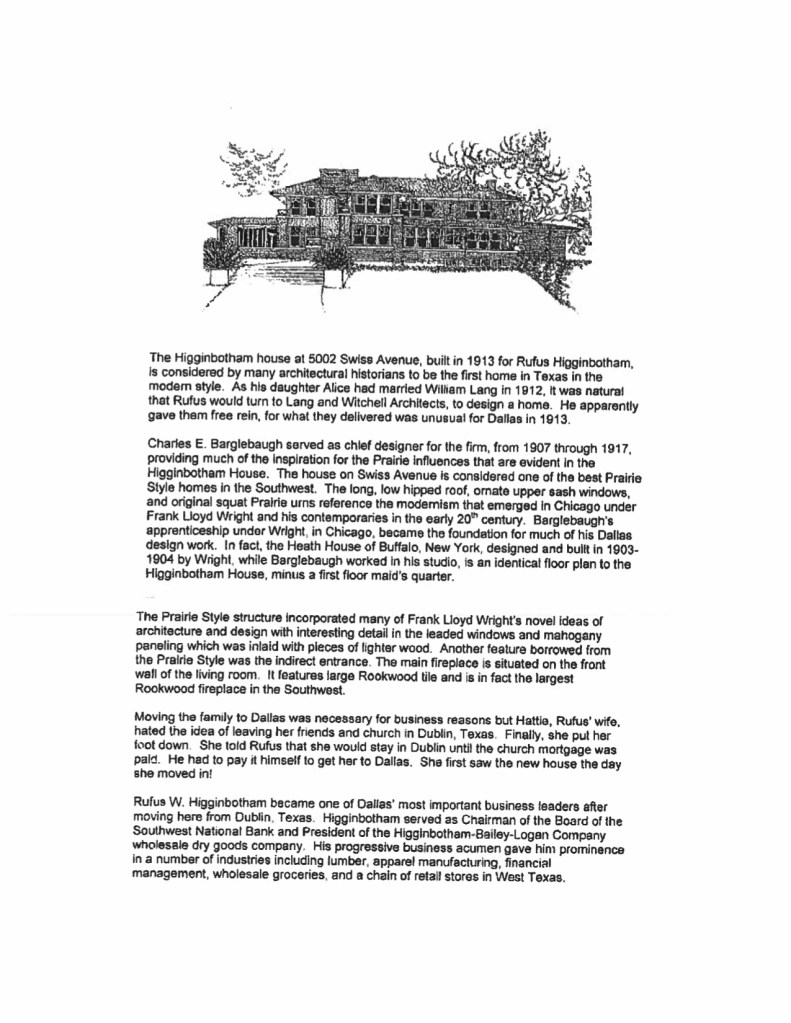
More information (link) on the house from the http://www.significanthomes.com website.
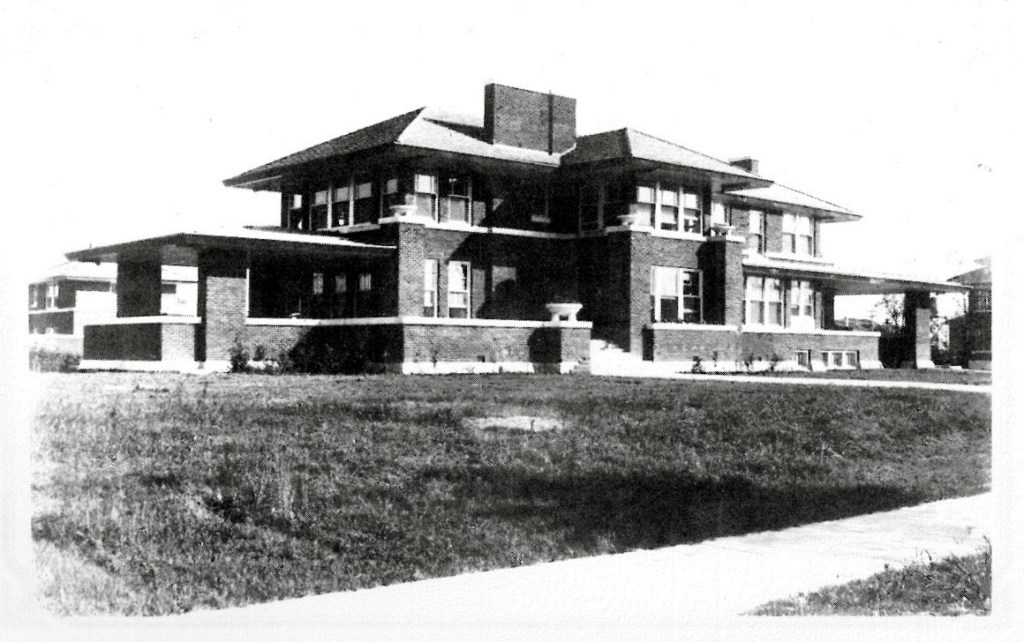
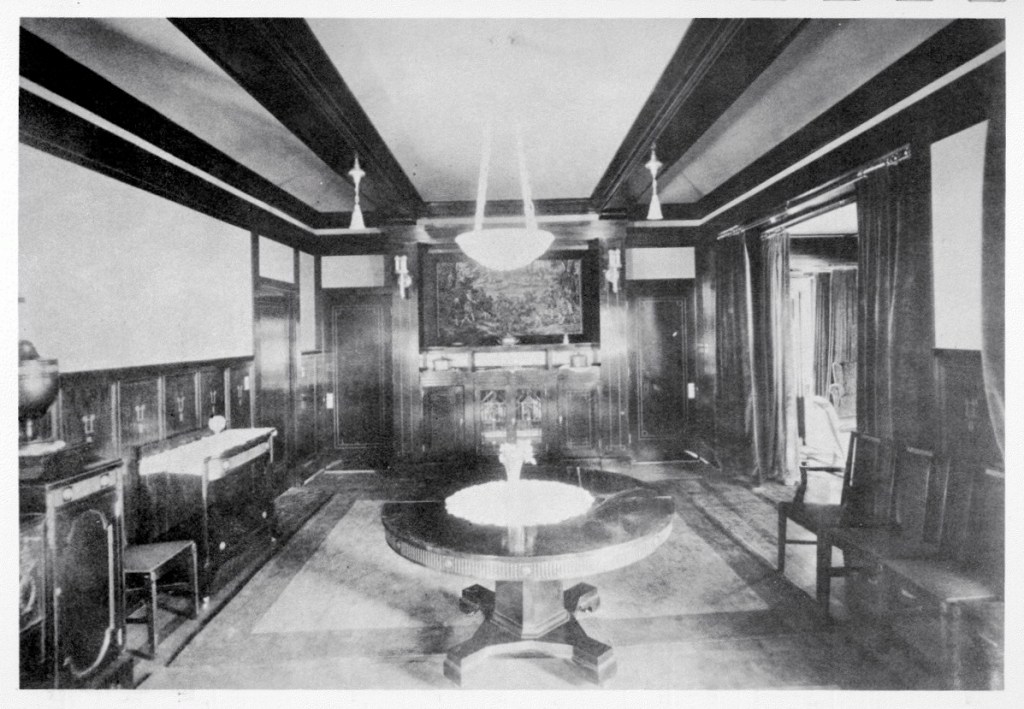
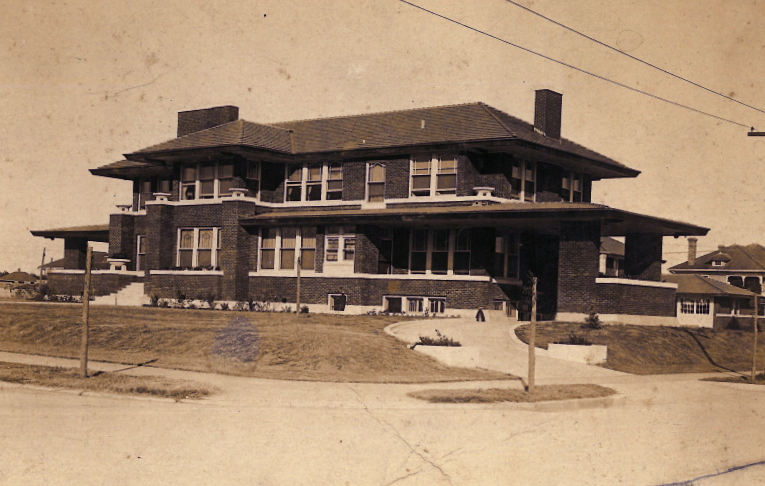
More Information on the Swiss Avenue Residence:
Excerpt of from remarks by W. Dwayne Jones, executive director of Preservation Dallas, which were delivered at the Dallas Theater Center for Preservation Dallas’ Fall Architecture Tour and Symposium, 11 October 2003
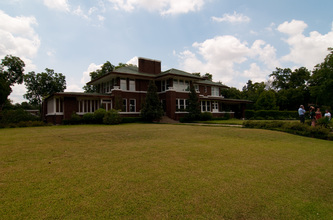
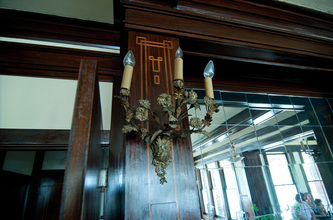
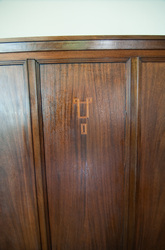
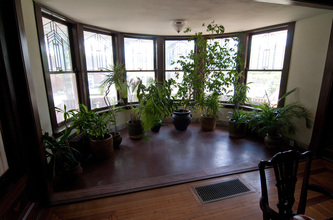
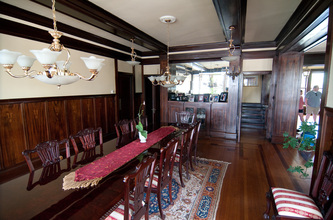
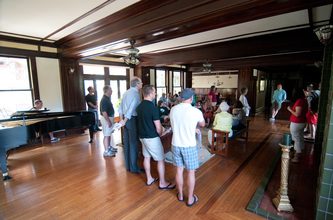
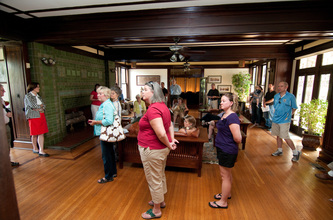
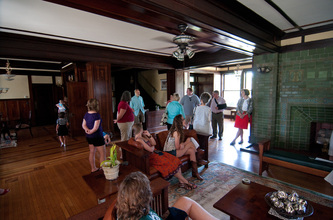
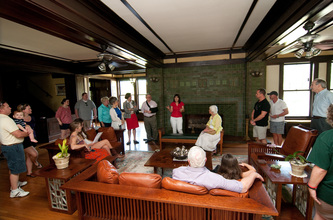
The scale of retail trade in early twentieth-century Dallas was matched by the scale of its wholesale and manufacturing trade, as a comparison of the Sanger Brothers store and the Higginbotham-Bailey-Logan Building of 1914, also by Lang & Witchell, attests. Although best-known for their commercial and institutional buildings, Lang & Witchell also designed houses. In 1913 Barglebaugh designed R. W. Higginbotham’s expansive house on Swiss Avenue in Munger Place. Dwayne Jones called my attention to Barglebaugh’s virtual reproduction of Frank Lloyd Wright’s Heath House in Buffalo, New York, of 1904 for the grandest Prairie house built in Texas.
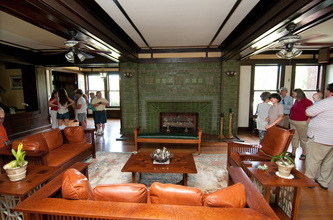
In contrast to Wright’s better-known Robie House in Chicago of 1906-09, the Higginbotham House stands out because of its departures from the refinements characteristic of Wright. Its proportions are different because of taller floor-to-ceiling heights (Wright preferred compressed spaces that emphasized horizontal extension). It has sash windows instead of casement windows, and they are painted white—as they always have been—rather than the dark tone preferred by Wright. The somber colored brick of the Higginbotham House sets it apart from the livelier coloration of the Robie House. Although Lang & Witchell’s construction drawings—which Douglas Newby kindly sent me copies of—specify that the horizontal mortar joints between brick courses were to be raked, creating incised shadow lines to emphasize horizontality (a Wright technique), the Higginbotham House does not float above its site as the Robie House seems to do. These observations notwithstanding, the Higginbotham House was remarkable because it demonstrated that among Dallas’s elite there was a constituency for modern architecture. Barglebaugh designed at least one other Prairie house in Munger Place.
Another alumnus of Wright’s Oak Park studio, George Willis, collaborated with J. Edward Overbeck on the expansive J. T. Trezevant House along Turtle Creek of 1907, endowing Dallas with the two most imposing Prairie houses in Texas. Additional, if somewhat more obscure, houses testify to the appeal of innovation and experimentation in Dallas in the 1910s. The no-longer extant Miller House at 6221 Preston Road by Ernest E. McAnelly (who died in 1915, the year after this photograph was published in The Western Architect) was an all-concrete house, as is the Joseph Kovandovitch House of 1914 in Oak Cliff, which Duncan Fulton has documented.
 E R Nash Sr. and Family